






Teen Patti on TopOne Game: A Testing Log Across Several Sessions
This is a log, not a review. I want to be clear about that up front, because the internet has enough polished verdict pieces about card games and not nearly enough honest notes from people who actually sat through the tables. Over several weeks I played Teen Patti on top one, the real-cash gaming app known as TopOne Game, and I kept a running record of what the tables felt like, how fast the pacing moved, how the cards behaved, and how my understanding of the rules changed from session to session. What follows is that record, lightly cleaned up, with the boring parts left in because the boring parts are usually where the truth lives.
If you have ever wondered whether a mobile Teen Patti table feels like a real card table or like a slot machine wearing a card costume, this log is for you. I did not chase bonuses, I did not grind leaderboards, and I did not play to win big. I played to observe. That distinction matters, because it changed the way I noticed things.
Session One: First Sit-Down and the Table That Felt Too Fast
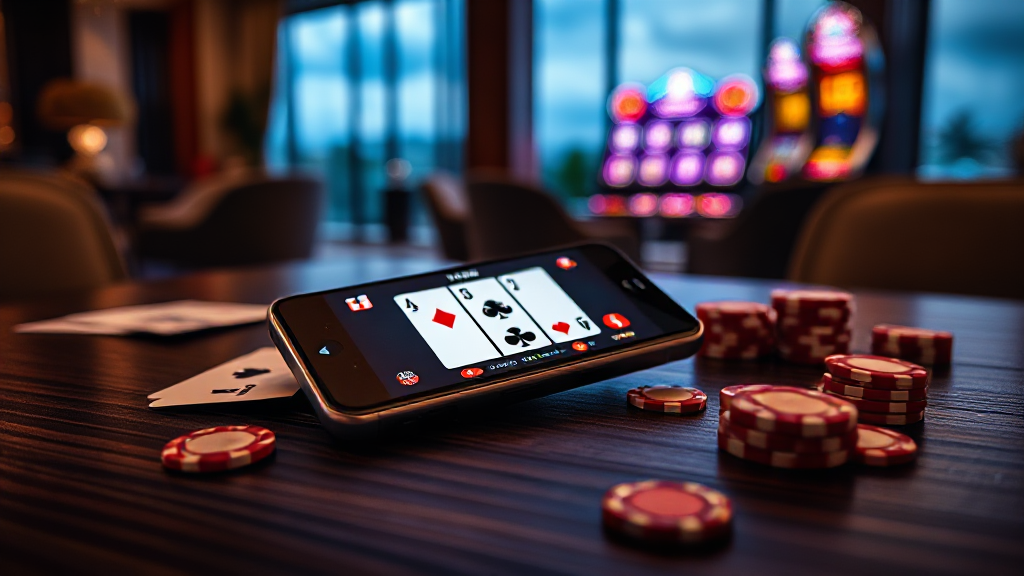
My first Teen Patti table on TopOne Game was a three-player setup, and I lost the first four hands before I understood why. The pacing was the culprit. On a phone screen, with a countdown timer ticking in the corner, the game compresses. There is no shuffling sound, no dealer small talk, no physical pause while someone counts chips. The app moves from deal to bet to showdown in a tight loop, and if you are used to the slower rhythm of a physical table, the first session feels like someone pressed fast-forward.
Card feel is a strange thing to describe in a digital game, but it exists. The animations in TopOne Game are short and functional rather than flashy. Cards flip with a quick motion, not a dramatic reveal. I appreciated that. Long animations are fine for slots, but in Teen Patti they interrupt the mental math you are doing about blind bets and seen bets. By the end of session one I had stopped watching the animations entirely and was reading the bet amounts instead, which is probably the correct habit.
Rule familiarity was my weakest point. I knew the hand rankings, but knowing rankings and applying them under a timer are different skills. I folded two hands I should have played and played one hand I should have folded. The log entry for that night ends with a single line: “The table is not hard, I am just slow.” That turned out to be accurate and fixable.
Session Two and Three: Pacing, Bet Sizing and Reading the Table
By the second session I had adjusted my expectations. I stopped treating each hand as a decision and started treating each round as a rhythm. Teen Patti on this platform rewards players who settle into the tempo rather than fighting it. The blind bet structure means the early rounds are cheap and the pressure builds gradually, and once I stopped rushing the early bets, the later decisions became easier to read.
Session three was the first time I felt genuinely comfortable. I played a longer stretch, mixed up my bet sizing, and started noticing patterns in how other players responded to raises. This is where the app’s design quietly helps. Because everything is on one screen, you can see bet history and current stakes without hunting through menus, and that visibility makes table reading faster than it would be in a cluttered interface. I would not call it no one fun in the sense of dull, but it is also not a game that overwhelms you with noise. It is a card game that respects the fact that you are there to play cards.
The one thing I still fumbled was the side-show and compare mechanics. In a physical game these are social negotiations. In an app they are buttons. Pressing a button to request a comparison feels clinical at first, and I avoided it for two full sessions because I was not confident about when it was appropriate. When I finally used it, the flow was clean and the outcome was immediate. My hesitation, not the design, had been the obstacle.
Session Four: Rule Familiarity Finally Clicked
The fourth session is the one I would point to if someone asked when Teen Patti on TopOne Game stopped feeling like a new app and started feeling like a familiar table. Hand rankings were automatic by then. I no longer translated a hand into its name before deciding; I just looked at the cards and knew. That shift sounds small, but it changes everything about how a session feels. The game gets quieter in your head.
I also started experimenting with table selection rather than joining the first available seat. Different tables have different minimum bets, and the pace of a table is heavily influenced by the stakes. Lower-stakes tables tend to have more players staying in hands, which slows the effective rhythm and gives you more information. Higher-stakes tables fold faster and reward aggression. Neither is better, but they are genuinely different experiences, and I had not noticed that in sessions one through three.
This is also the session where I stopped thinking about the app as a gambling product first and a card game second. The top one game framing on the site had struck me as marketing language at the start, but after four sessions I understood the pitch differently. The appeal is not a single feature. It is that the Teen Patti table, the slots, and the live dealer rooms all live in one place, so a player who wants to switch games does not have to switch platforms. For a Teen Patti player specifically, that means the card game sits alongside other formats without being buried.
Session Five and Six: What Changed as Familiarity Grew
The last two sessions were less about learning and more about confirming. I wanted to know whether the comfort I felt in session four was real or just a good night. It was real. Session five was a short one, maybe twenty minutes, and I played it almost on autopilot, which is both a compliment and a warning. The compliment is that the interface had become invisible. The warning is that autopilot is exactly when a player stops paying attention to bet sizing, and I caught myself calling bets I would not have called in session three.
Session six was the longest. I played across two different tables and noticed something I had missed earlier: the app’s pacing is consistent. There is no dramatic slowdown when stakes rise and no speed-up when a table is short-handed. Consistency matters more than players admit, because it means the skills you build in one session transfer to the next. A table that changes its rhythm unpredictably forces you to relearn it every time.
Across all six sessions, the biggest change was not in the app. It was in me. My first-night log entry complained about speed. My final entry complained about my own discipline. That is the honest arc of learning any card game, digital or physical, and it is the reason I kept writing the log instead of just playing.
Verdict From the Log: Who This Table Suits
After six sessions, my verdict is narrow and specific, which is the only kind of verdict a testing log can honestly give. Teen Patti on TopOne Game suits players who already know the rules and want a fast, clean table without the social overhead of a physical game. It does not suit players who need a slow, tutorial-heavy introduction. The app assumes you know what a seen bet is and why a side-show exists, and it does not hold your hand through either.
What impressed me most was not any single feature but the way the table stayed out of the way. Cards dealt, bets placed, hands compared, next round. The best game experience for a card player is usually the one that disappears, and by session six this one had largely disappeared for me, which is the highest compliment I can put in a log like this. What frustrated me most was my own early impatience, and that is not something an app can fix.
If you are considering it, my advice from the log is simple. Give it three sessions before you judge it. The first one will feel rushed, the second will feel manageable, and the third is where the game actually starts. Adults 18 and over who already play Teen Patti elsewhere will recognize the rhythm quickly. Anyone expecting a gentle onboarding will not find one here, and that is a design choice, not a flaw. The log ends where it should: with a player who understands the table better than when he sat down, and who would sit down again.