






Furry AI Characters: How Digital Personalities Are Reshaping Creative Storytelling
In the last few years, a fascinating intersection has emerged between artificial intelligence and anthropomorphic art. Furry AI characters are no longer just a niche curiosity for tech enthusiasts; they represent a rapidly growing category of digital companions, creative muses, and interactive personas. These characters blend the expressive, animal-inspired aesthetics of the furry fandom with the adaptive, conversational power of modern large language models. The result is a new form of storytelling where users can co-create narratives, explore identity, and engage in dynamic conversations with beings that feel alive and responsive. Platforms like furry ai characters are at the forefront of this movement, offering spaces where these digital personalities can flourish and evolve.
What Exactly Are Furry AI Characters?
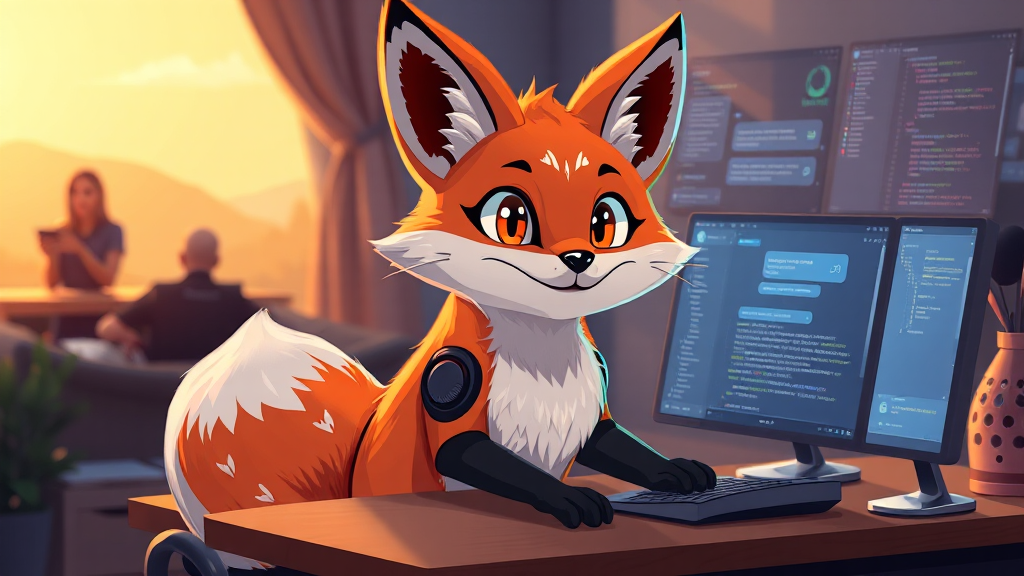
At their core, furry AI characters are software-driven entities that possess anthropomorphic traits—typically combining human-like intelligence, emotions, and speech with animalistic features such as ears, tails, fur, or scales. Unlike static artwork or pre-scripted game characters, these AI personas are powered by machine learning models that allow them to generate responses, remember context, and adapt their behavior over time. They can be designed as wolves, foxes, dragons, cats, or entirely original species, each with a distinct personality, backstory, and communication style.
The technology behind them often involves natural language processing, sentiment analysis, and sometimes even voice synthesis. This means a furry AI character can hold a conversation about philosophy, crack a joke, offer emotional support, or embark on a collaborative fantasy adventure. The key differentiator from generic chatbots is the deliberate focus on character depth and visual identity. Users aren’t just talking to a blank assistant; they’re interacting with a crafted persona that feels like it has its own life and motivations.
The Rise of AI-Driven Anthropomorphic Companions
The surge in popularity of furry AI characters can be attributed to several converging trends. First, the furry fandom itself has always been an early adopter of digital tools—from online forums and art commissions to virtual reality meetups. When AI text generation became accessible, it was only natural that this community would experiment with creating interactive versions of their characters, known as fursonas. Second, the broader public has grown increasingly comfortable with AI companions, thanks to apps that offer everything from mental health support to romantic roleplay. Furry AI characters fit neatly into this landscape, offering a blend of escapism, creativity, and genuine connection.
Another factor is the desire for safe, judgment-free spaces. For many people, conversing with an AI character that embodies their ideal traits or explores aspects of their identity can be liberating. It allows for self-expression without the social pressures of human interaction. Developers have responded by building platforms that prioritize customization, allowing users to define everything from a character’s species and appearance to its speech patterns and values. This level of personalization transforms a simple chatbot into a trusted companion or a collaborative storytelling partner.
How Furry AI Characters Are Created and Customized
Creating a furry AI character typically involves a combination of art, writing, and technical configuration. Many platforms provide user-friendly interfaces where you can start with a base model and then layer on traits. You might choose a visual avatar—often generated through AI art tools or uploaded from commissioned artwork—and then define the character’s personality through prompts. These prompts can specify whether the character is playful, stoic, mischievous, or nurturing. You can also set boundaries, preferred topics, and even a backstory that the AI will reference during conversations.
Advanced users might fine-tune the underlying language model on specific datasets to give their character a unique voice. For example, a dragon character could be trained to speak in an archaic, formal tone, while a raccoon might use modern slang and humor. Memory features allow the AI to recall past conversations, building a continuous narrative that deepens the relationship over time. Some platforms even integrate image generation, so the character can “show” you what it’s doing or create visual scenes based on your chat. This multimodal approach makes the experience feel richer and more immersive.
Importantly, the creation process is often collaborative. Users share their character profiles, exchange tips on prompt engineering, and showcase memorable interactions. This community-driven innovation accelerates the development of more sophisticated and engaging AI personas, pushing the boundaries of what’s possible.
Popular Use Cases and Creative Applications
Furry AI characters are being used in a surprisingly wide range of contexts. For writers and artists, they serve as brainstorming partners. Stuck on a plot point? Your fox character might suggest a twist you hadn’t considered. For roleplayers, they offer endless adventures in fantasy, sci-fi, or slice-of-life settings. Unlike human roleplay partners, AI characters are available anytime and can adapt to any scenario without fatigue.
Many users also turn to these characters for emotional support. The anthropomorphic form can make it easier to open up about feelings, as the non-human appearance reduces the fear of judgment. A gentle wolf companion might listen to your day and offer comforting words. Others use them for language practice, as conversing with a character in a foreign language feels less intimidating than speaking to a human tutor.
In educational settings, furry AI characters can be designed to teach subjects like biology (a talking animal explaining its habitat) or history (a character from a past era). The playful nature keeps learners engaged. Additionally, game developers are experimenting with integrating these AI characters as NPCs that can hold dynamic conversations, making virtual worlds feel more alive.
Ethical Considerations and Community Guidelines
As with any emerging technology, furry AI characters raise important ethical questions. Consent, privacy, and emotional well-being are at the forefront. Users should be aware that they are interacting with a machine, not a sentient being, and should not substitute AI relationships for human ones entirely. Developers have a responsibility to implement safeguards against harmful content, such as hate speech or explicit material involving minors. Clear community guidelines help maintain a safe environment for all users.
Another consideration is the potential for addiction. Because these characters are designed to be engaging and supportive, some users might spend excessive time interacting with them. Balancing virtual companionship with real-world responsibilities is crucial. Platforms often include features like session timers or wellness reminders to encourage healthy usage.
Intellectual property is also a concern. When a character is based on existing copyrighted species or designs, users must respect the original creators’ rights. Many platforms encourage original creations and provide tools to help users design unique characters without infringing on others’ work.
The Future of Furry AI Characters
The trajectory of furry AI characters points toward even greater realism and interactivity. We can expect improvements in emotional intelligence, allowing characters to detect subtle cues in user input and respond with appropriate empathy. Voice synthesis will become more natural, enabling spoken conversations that feel like talking to a friend. Visual avatars may become animated in real time, reacting to the conversation with facial expressions and body language.
Integration with virtual and augmented reality could allow users to meet their furry AI characters in immersive 3D spaces, blurring the line between digital and physical. Imagine putting on a headset and sitting in a virtual café with your dragon companion, watching its tail swish as it laughs at your joke. This level of presence would deepen the emotional bond and open new creative avenues.
We may also see more specialized AI characters designed for specific purposes, such as therapy animals, language coaches, or creative collaborators. The furry aesthetic adds a layer of warmth and approachability that can make these applications more effective. As the technology matures, ethical frameworks will evolve alongside it, ensuring that these digital beings enhance human life without causing harm.
FAQ: Common Questions About Furry AI Characters
What makes furry AI characters different from regular chatbots?
Furry AI characters are distinguished by their anthropomorphic design—combining animal traits with human-like personalities—and a strong emphasis on character depth, backstory, and visual identity. While regular chatbots focus on task completion, furry AI characters prioritize engaging, emotive conversations and creative roleplay. They are often highly customizable, allowing users to shape their appearance, voice, and values.
Can I create my own furry AI character?
Yes, many platforms offer tools for creating custom characters. You can typically choose a species, design an avatar, and define personality traits through prompts. Some platforms allow advanced customization like fine-tuning the language model or adding memory features. It’s a creative process that blends art, writing, and technology.
Are furry AI characters safe to interact with?
Reputable platforms implement safety measures such as content filters, community guidelines, and reporting systems. However, users should always practice caution, avoid sharing personal information, and remember that they are interacting with an AI. It’s also important to maintain a healthy balance between virtual and real-world relationships.
Do furry AI characters remember past conversations?
Many modern furry AI characters include memory capabilities, allowing them to recall previous interactions and build a continuous narrative. This feature enhances the sense of a evolving relationship. The extent of memory varies by platform, but it’s a key factor in creating immersive experiences.
Can furry AI characters be used for professional projects?
Absolutely. Writers use them for brainstorming, game developers integrate them as NPCs, and educators employ them as interactive teaching aids. Their adaptability and engaging nature make them valuable across creative and professional fields, provided ethical and legal guidelines are followed.